

Listen to this story
About 4½ minutes. Tap play to hear the whole post read aloud.
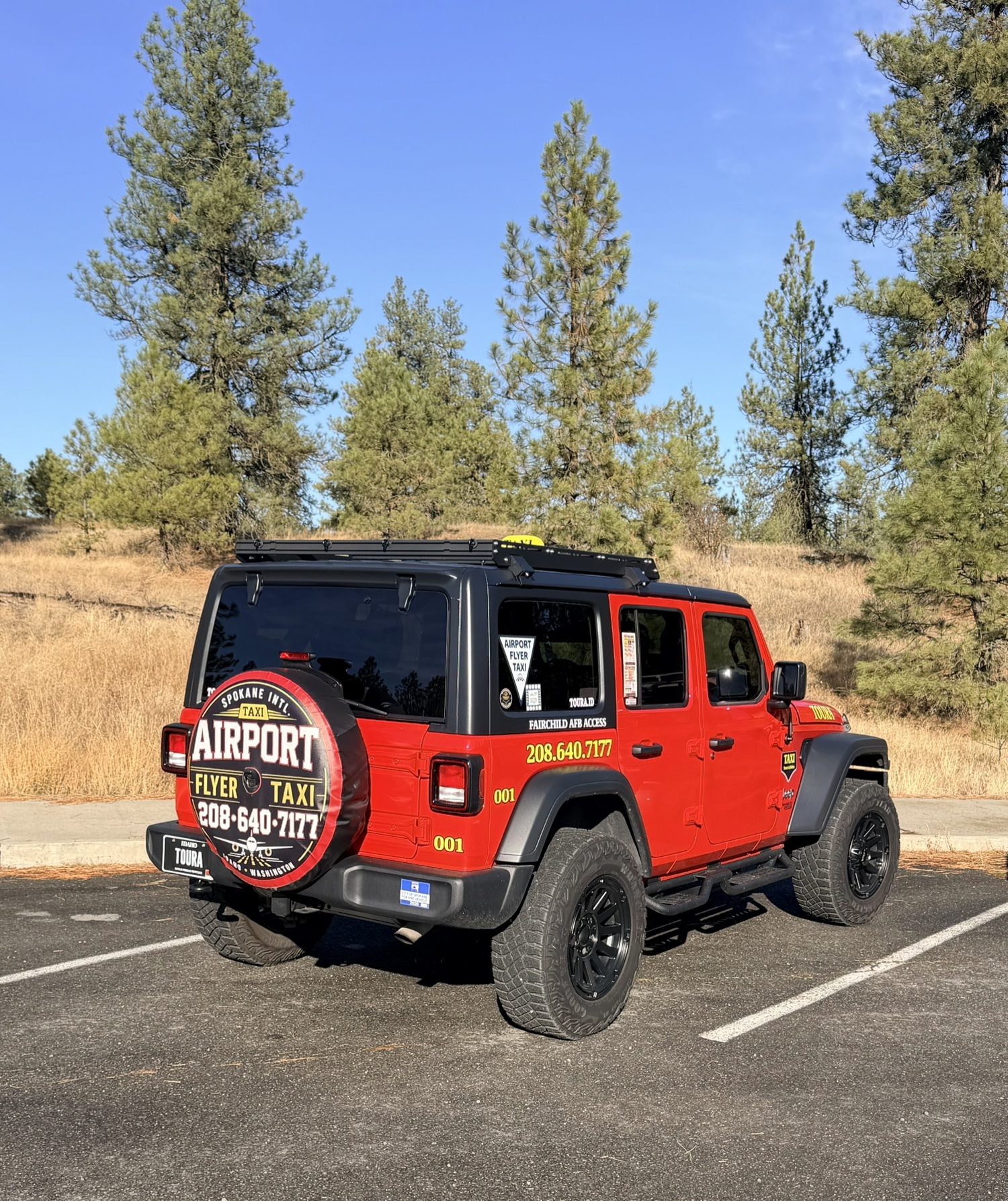
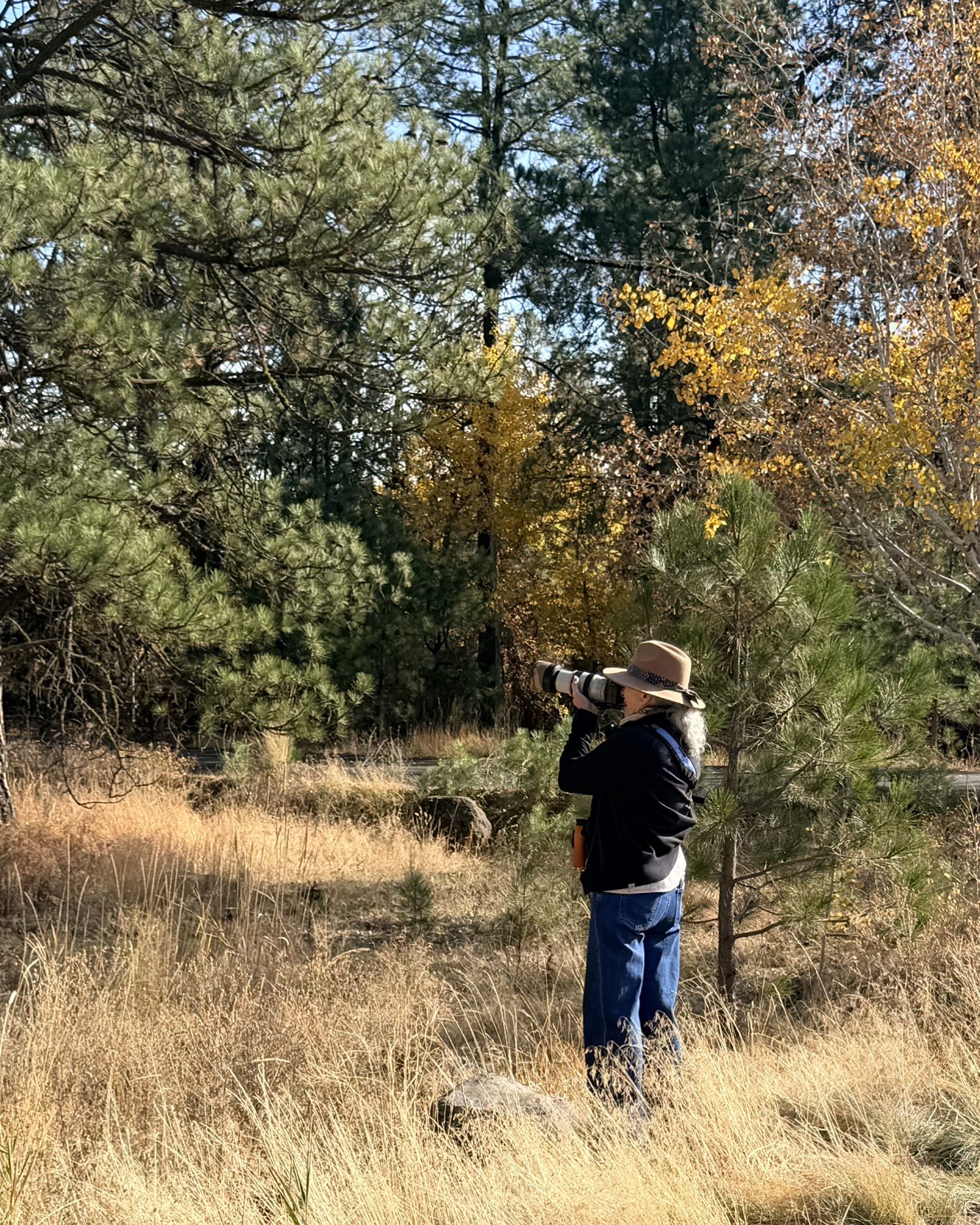
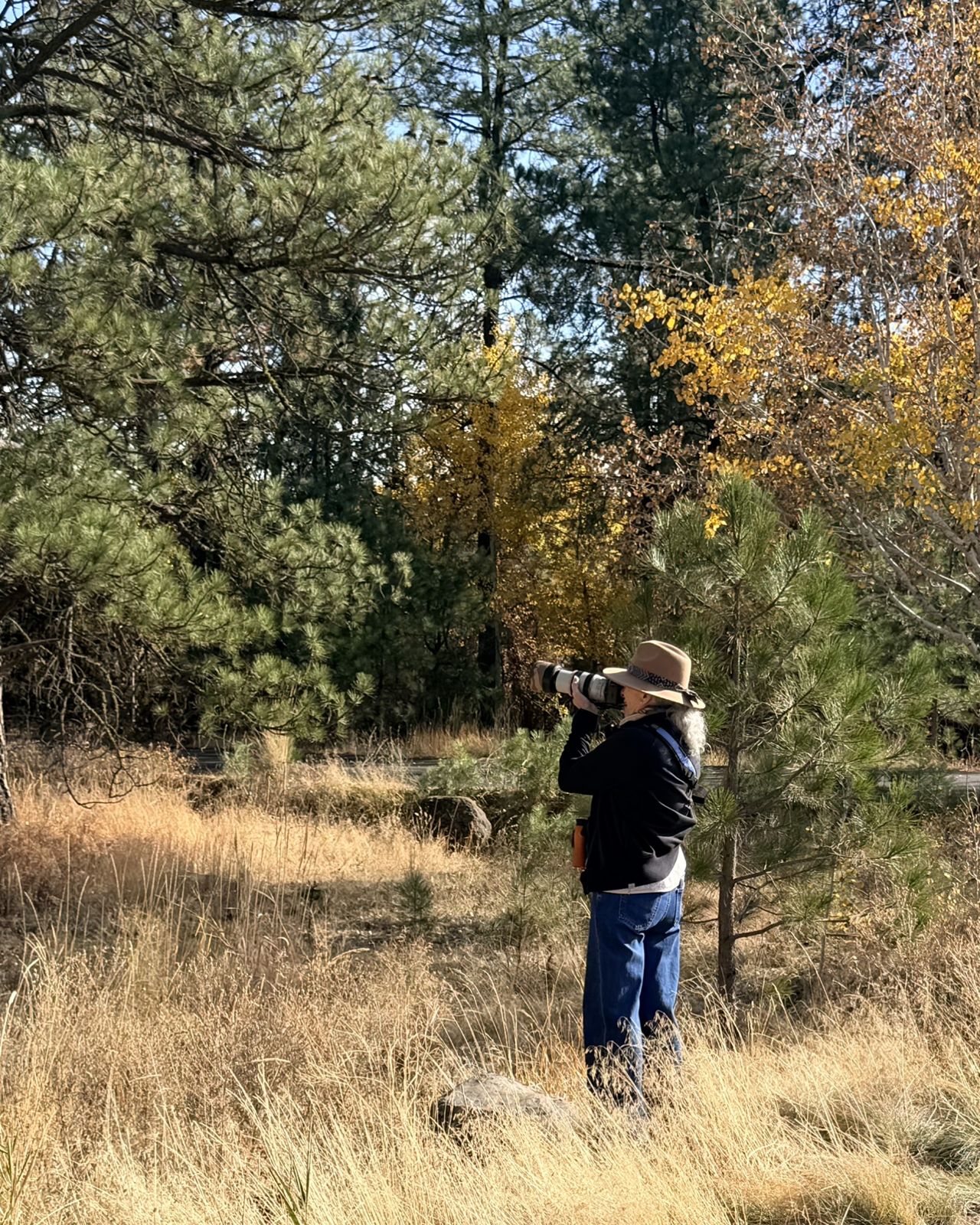
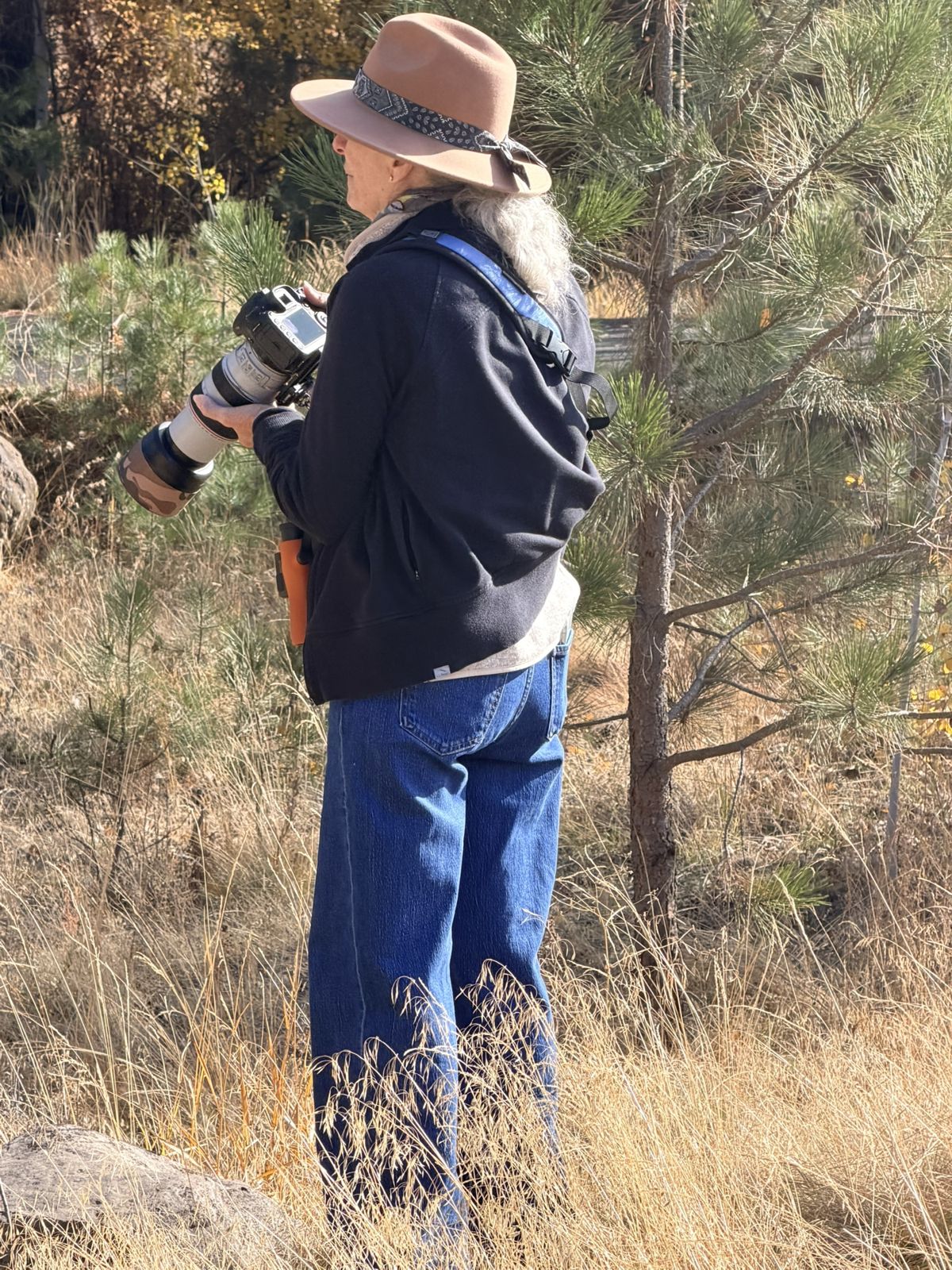
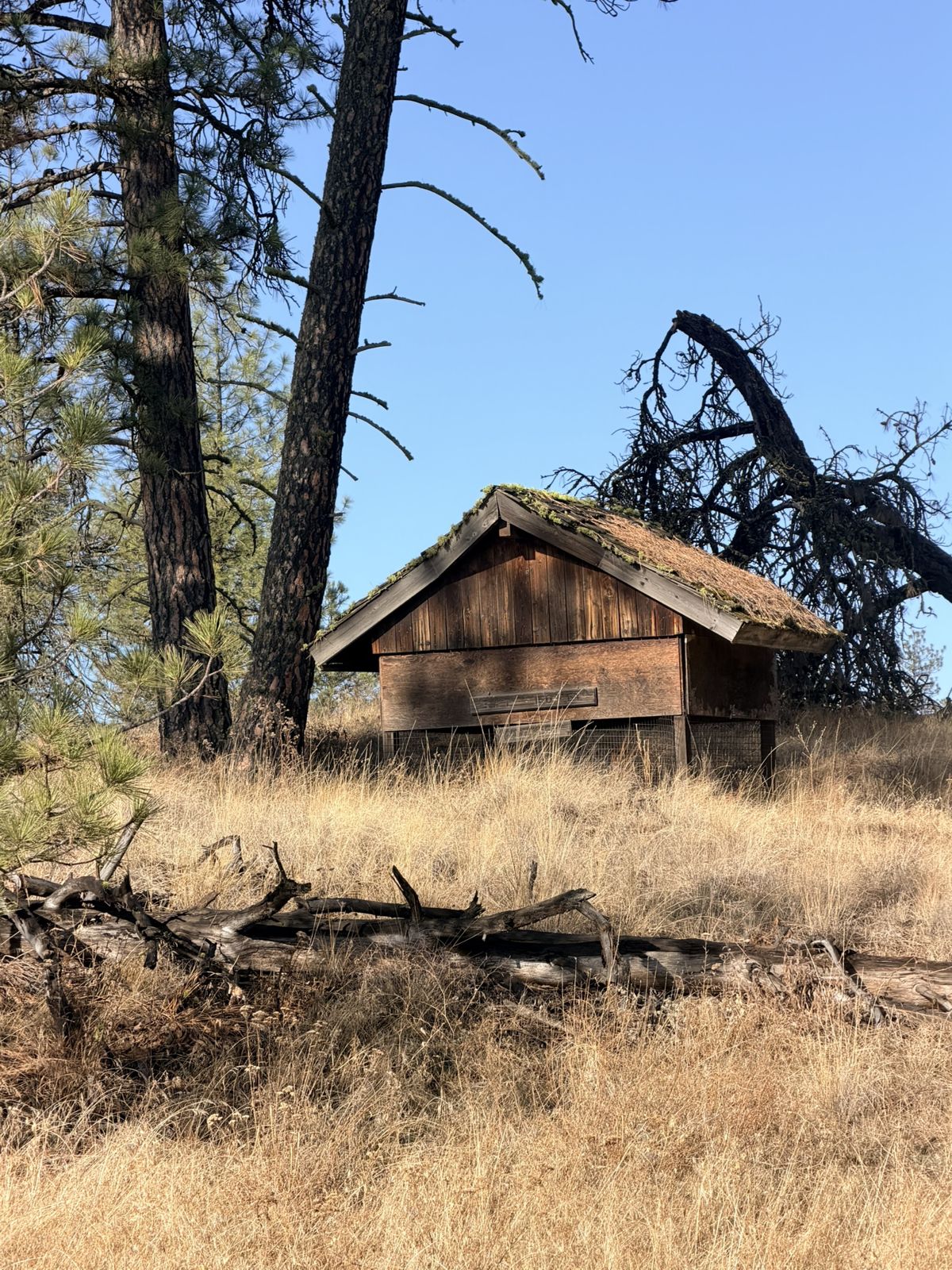
Not every TOURA ride is an airport run. Recently we drove Melissa, a wildlife photographer, to Turnbull National Wildlife Refuge near Cheney, Washington. While she worked the trails with her camera, we took a few photos of our own. If you love birds, big skies and quiet places, Turnbull is an easy and rewarding day trip from North Idaho and Spokane.
Where is Turnbull National Wildlife Refuge?
The refuge headquarters is at 26010 S Smith Rd, Cheney, WA, southwest of Spokane. TOURA is based in Post Falls, Idaho, midway between Coeur d’Alene and Spokane Valley, with quick access to Coeur d’Alene, Spokane Valley and Spokane. That makes Turnbull a simple ride for visitors and locals across the Inland Northwest.
A landscape carved by Ice Age floods
Turnbull sits in the Channeled Scablands. Millions of years ago, lava flows built the Columbia Plateau. Then, during the Ice Age, about 18,000 to 12,000 years ago, a glacial ice dam some 2,000 feet high held back Glacial Lake Missoula. Again and again the dam broke, sending water, ice and boulders racing across the land at nearly 60 miles an hour. Those floods left behind channels, coulees, basalt cliffs and countless vernal pools, the landscape you see at Turnbull today.
Wetlands: herons, swans and waterfowl
Wetlands make up about 20% of the refuge and cover more than 3,000 acres, from tiny vernal pools to marshes over 400 acres. Nearly 20 species of waterfowl nest here each spring. In spring, look for goldeneyes, hooded mergansers, northern pintails, trumpeter swans and redheads. In fall, watch for tundra swans and migrating mallards. Keep an eye out for the great blue heron wading in the shallows, and beavers too.
Ponderosa pines: bluebirds and crossbills
Tall ponderosa pines can grow more than 100 feet high and live up to 500 years. Look to the trees: the western bluebird and 29 other bird species nest in cavities in live trees and snags. You might also see a red crossbill prying open a pinecone with its specially adapted bill. Porcupines, squirrels and chipmunks live here too.
Along the banks: sapsuckers and bats
The green ribbons of aspen, willow, cottonwood and hawthorn along the water are the riparian zone. Here you may find the red-naped sapsucker, willow flycatcher and yellow warbler, plus hooded mergansers, buffleheads and wood ducks nesting in tree cavities. Watch at dusk: big brown, hoary and silver-haired bats roost in the aspens and come out to hunt insects.
Palouse steppe: elk and hawks
Turnbull’s open grasslands are Palouse steppe, a habitat that is now rare because nearly 90% of it in eastern Washington has become farmland. Rocky Mountain elk graze here, so look for elk or deer near Stubblefield Lake. Red-tailed hawks, coyotes, badgers and Columbian ground squirrels share the prairie. Visit in mid-May to see wildflowers like bitterroot at their peak.
The story of Cyrus Turnbull
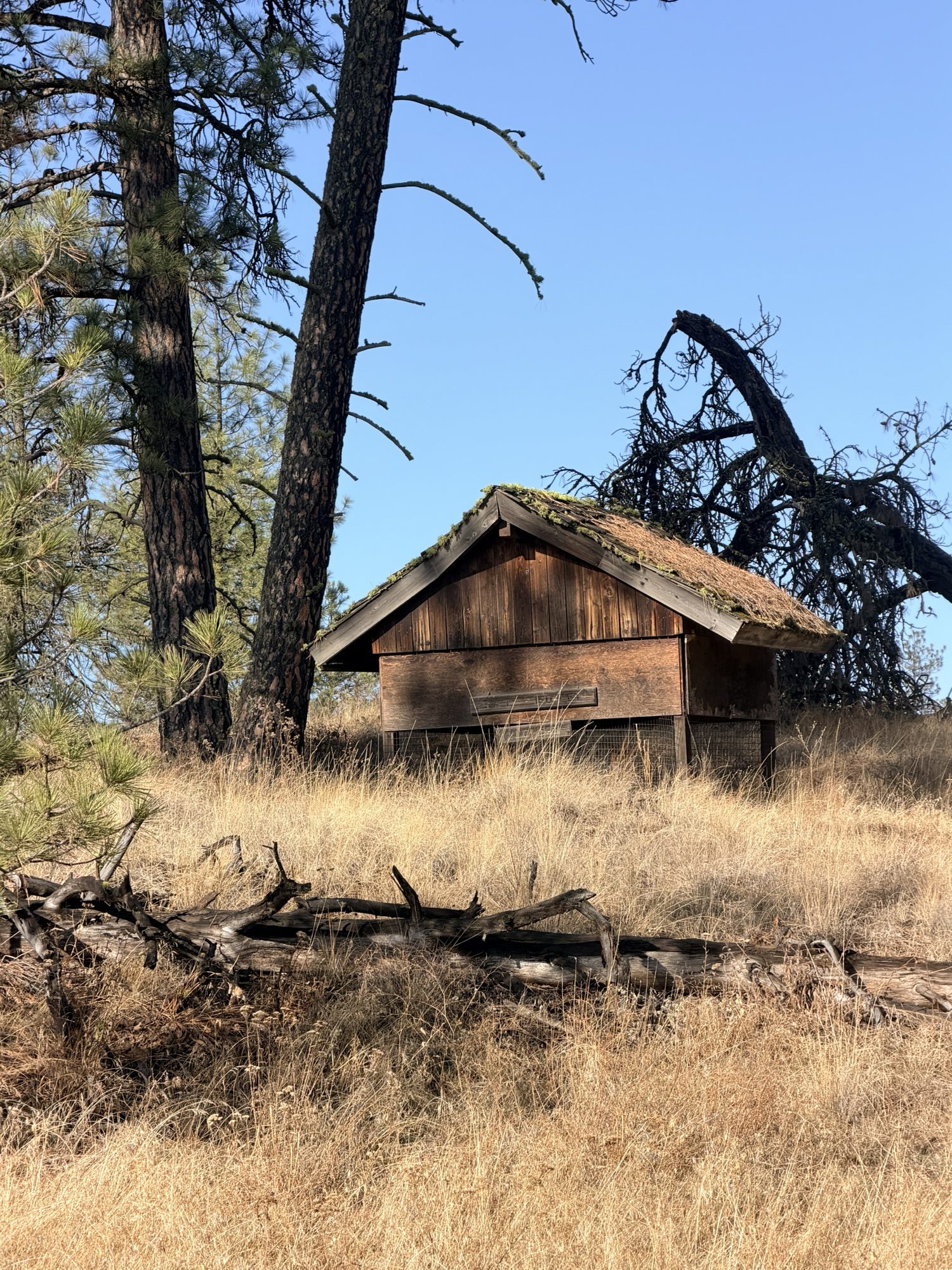
Northern Plateau peoples, including the Spokan, lived on this land for as long as 8,000 years. The refuge is named for Cyrus Turnbull, an early settler who farmed here with his wife and children from 1880 to 1886. Settlers drained marshes for crops and livestock, and by the late 1920s few wetlands remained. Since the refuge was established, staff have worked to restore wetlands and native habitat. Old foundations, lilacs and apple trees still remind visitors of the early families.
Tips for photographers and birders
- Come during migration. Spring and fall bring the biggest variety of waterfowl and other birds.
- Stay for dusk. Evening light is beautiful, and it’s your best chance to spot bats.
- Visit each habitat. Wetlands, pines, riparian woods and steppe each hold different birds.
- Give wildlife space. If an animal changes its behavior, you’re too close.
- Stop by the Friends of Turnbull Nature Store inside the refuge admin building, open April through October.
Photo gallery
Ride to Turnbull with TOURA
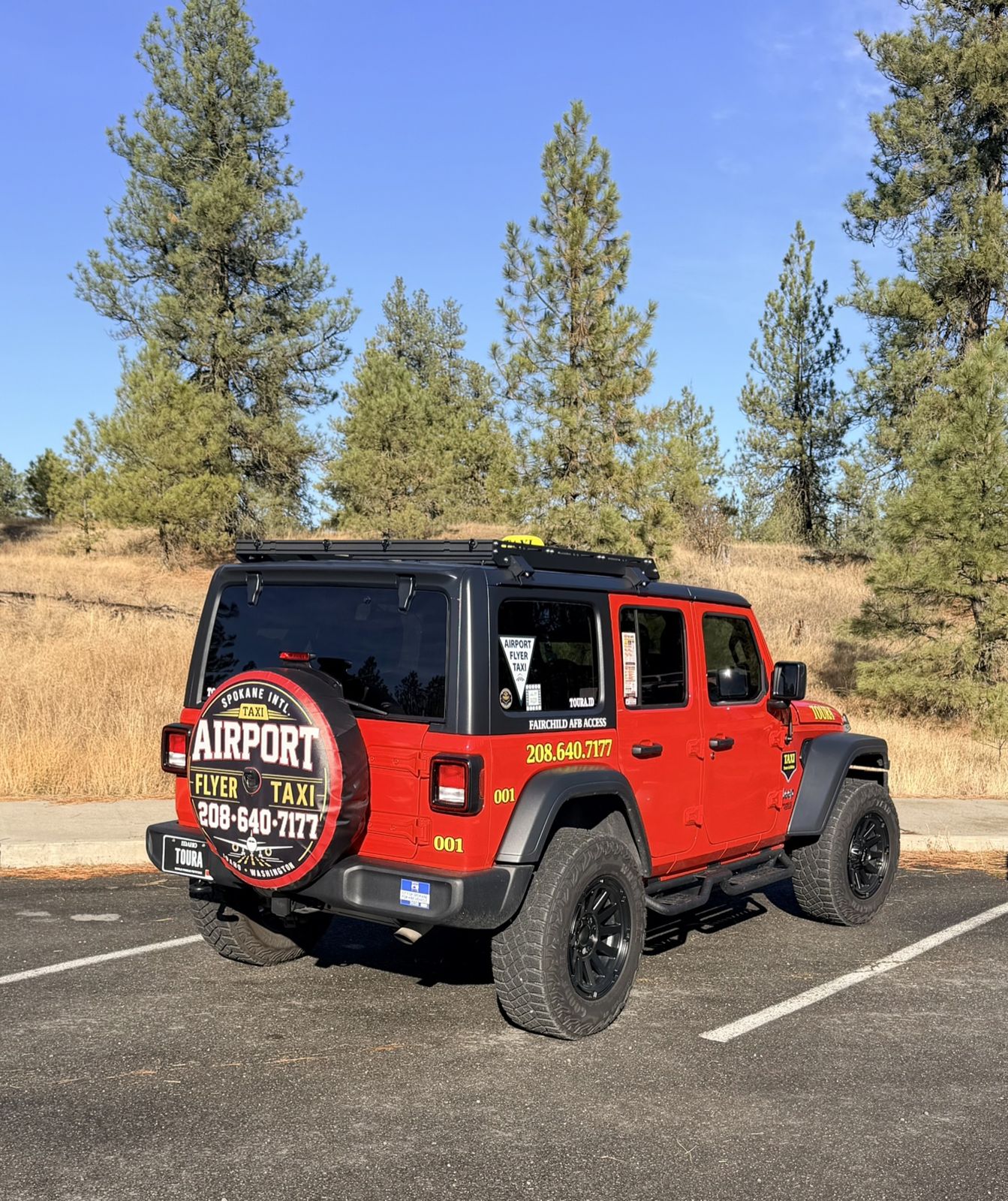
Let a professional driver handle the road while you focus on the birds. TOURA offers rides to Turnbull National Wildlife Refuge from Coeur d’Alene, Post Falls, Spokane Valley and Spokane. Book your ride with TOURA or call (208) 640-7177.